Diablo ROS 2 Documentation for Robot Research Projects
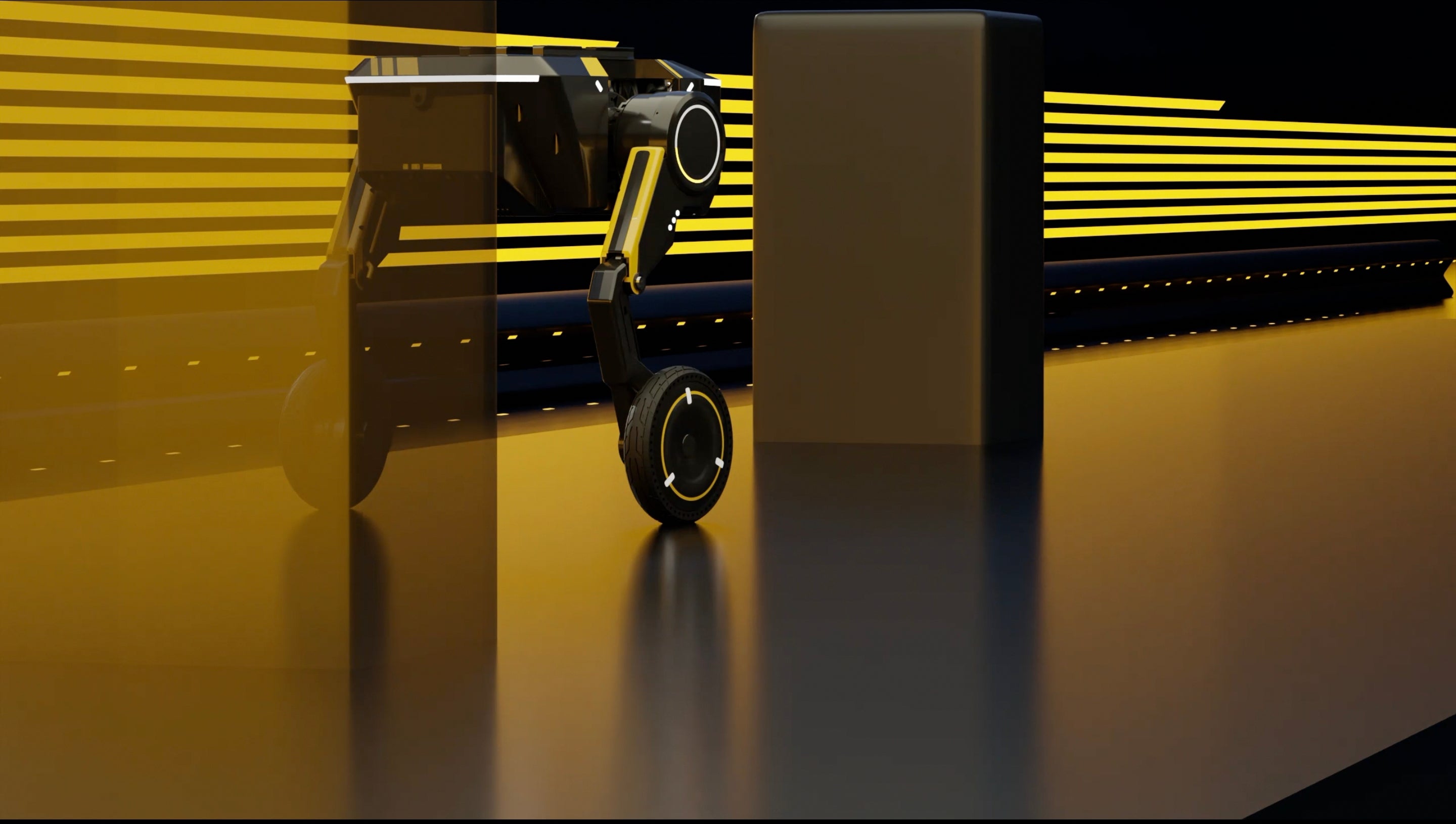
Diablo ROS 2 documentation helps research teams build, test, and maintain robotic systems with fewer integration issues. A complete document explains hardware connections, ROS 2 packages, node communication, launch procedures, simulation settings, navigation parameters, and software dependencies. According to the 2024 ROS Developer Survey, ROS 2 continues to expand across academic and industrial robotics, making consistent documentation more important for collaboration. Teams working with multiple sensors, mobile platforms, and AI perception software often manage dozens of ROS 2 nodes simultaneously. Well-organized documentation reduces repeated setup work, improves software consistency, and makes project results easier to reproduce across different research environments.
Robot research projects usually involve multiple developers, hardware revisions, and software updates over several months or years. A mobile robot may include LiDAR, stereo cameras, IMU sensors, wheel encoders, GNSS receivers, and onboard GPUs, while ROS 2 distributes communication across dozens of nodes. In many university robotics laboratories, more than 50 ROS 2 topics remain active during mapping and navigation, making written documentation part of the daily workflow instead of an optional task.
As the number of software components grows, documentation should describe every package, launch file, parameter, and hardware interface in a consistent format. Teams that add new members during a semester often spend several days understanding an existing workspace before making any changes. A document explaining package relationships, topic names, message types, and folder structures reduces repeated questions and keeps software updates consistent across different computers.
ROS 2 uses DDS as its communication layer, allowing distributed applications to exchange messages without a centralized master. This design supports robots running perception, localization, planning, and control on separate computers while maintaining synchronized communication.
Documentation also records software versions because compatibility changes over time. Ubuntu LTS releases, ROS 2 distributions, middleware implementations, CUDA libraries, and camera drivers are updated regularly. A project created in 2023 may require package adjustments before running on a 2025 environment. Listing version numbers for every dependency makes future installation much more predictable.
A useful document also explains hardware specifications instead of only listing device names.
| Component | Information to Record |
|---|---|
| LiDAR | Model, scan frequency, communication interface |
| Camera | Resolution, frame rate, calibration file |
| IMU | Update frequency, coordinate frame |
| Motor Controller | CAN ID, firmware version |
| Battery | Voltage, capacity, safety limits |
When hardware replacement becomes necessary, engineers can compare specifications instead of examining every configuration file manually.
Simulation deserves the same level of detail because many research projects spend weeks in virtual testing before using physical robots. Gazebo and Isaac Sim allow navigation, obstacle avoidance, and sensor validation without hardware wear. Recording world files, robot models, controller settings, and simulation parameters helps different researchers repeat the same evaluation conditions with fewer setup differences.
Navigation documentation should also explain localization methods, SLAM configuration, planner settings, recovery behaviors, and map management. For example, navigation accuracy can change noticeably after adjusting inflation radius, costmap resolution, or controller frequency. Recording these values together with map size, robot speed, and test environment allows future comparisons without relying on personal notes.
The same principle applies to software interfaces. Every published topic, subscribed topic, service, action, and parameter should include a short description. Teams using custom message definitions benefit from adding field explanations and update frequencies. This reduces communication mistakes when perception, navigation, and control packages are maintained by different developers working on separate repositories.
Many research groups also maintain a Diablo robot user manual and SDK, providing installation instructions, hardware descriptions, SDK examples, firmware updates, and development resources. The official documentation is available here: Diablo robot user manual and SDK. Keeping this reference together with project-specific ROS 2 documentation allows developers to distinguish between manufacturer information and laboratory modifications.
Version history should include software releases, hardware revisions, calibration dates, and configuration updates. Recording these items after each modification helps later comparisons when navigation behavior, sensor accuracy, or controller performance changes.
Testing procedures should be documented with measurable values instead of simple pass-or-fail notes. Navigation tests may record path length, average speed, localization error, CPU utilization, memory usage, battery consumption, and recovery success rate. Recording results from at least 20 repeated runs provides more consistent comparisons than relying on a single demonstration.
Documentation maintenance should follow the same schedule as software maintenance. When a launch file changes, the document should be updated at the same time. When a sensor is replaced, calibration information should be revised immediately. Small updates completed throughout the project usually require less effort than rebuilding documentation after several months of development, while making future research, collaboration, and software reuse much easier for every member of the team.